
7 minute read |
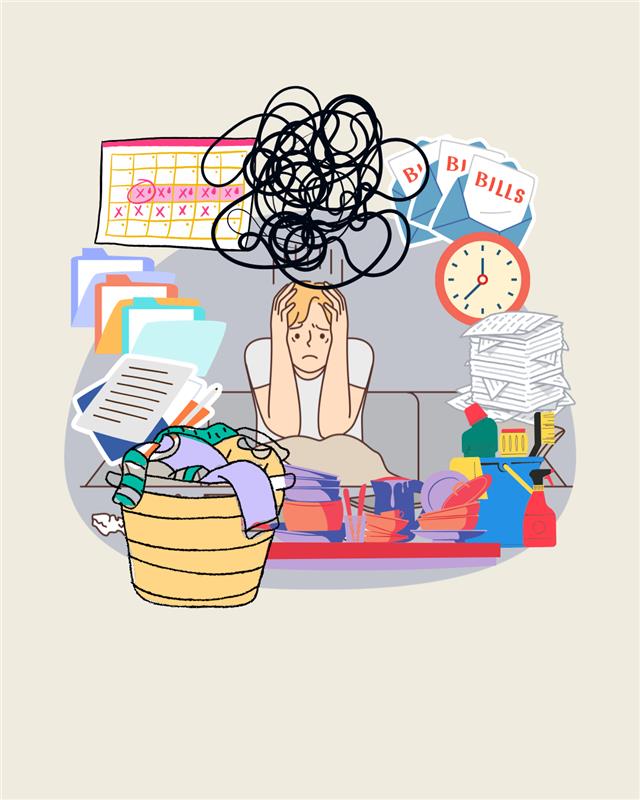
If you’ve ever tried to get organized and felt like nothing sticks, it’s easy to assume that you’re the problem. You’ve bought the bins. Followed the checklists. You tried the trends. You even tried file-folding. Maybe more than once. Maybe many times. And yet—somehow—you don’t seem to be any further ahead.
Here’s the truth most people don’t say clearly enough:
It’s not you. It’s the system.
Most organizing advice is built around the idea that there’s a “right” way (and therefore a wrong way) to do things. A best method. A standard to aim for. But real life doesn’t work like that—and neither do people.
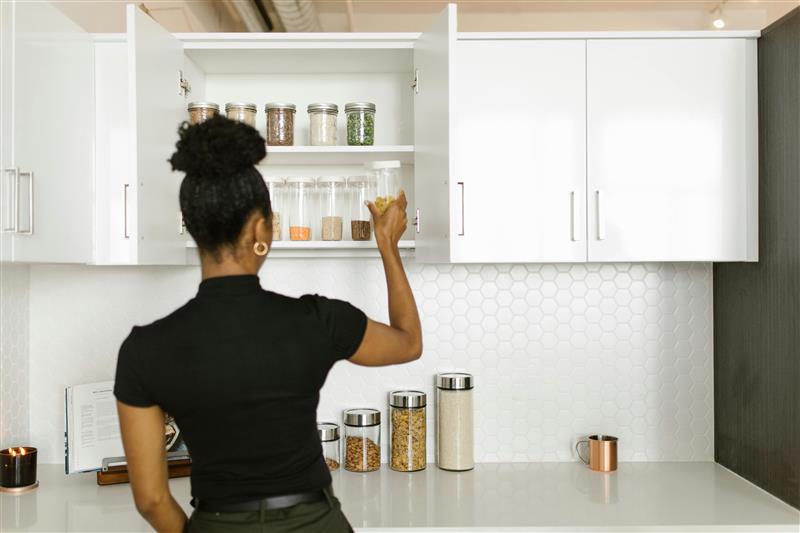
(I mean seriously – who only has 5 jars per shelf in their kitchen cupboard?!)
When you try to force your life into a system that doesn’t match how you actually live, think, or function, it doesn’t just fail… it creates more stress, more overwhelm, and often, more self-doubt. You feel like you’ve failed.
Let’s unpack why that happens—and what actually works instead.
The Real Reason Organizing Feels So Hard
Most organizing methods are designed for ideal conditions:
- Unlimited time.
- Consistent routines.
- Clear decision-making energy.
- Minimal emotional attachment to belongings.
That’s not real life.
Real life looks like busy schedules, mental overload, changing priorities, kids, work, unexpected disruptions—and a thousand small decisions competing for your attention. When a system assumes you’ll fold everything perfectly, maintain it daily, or make decisions without hesitation, it’s already misaligned.
And when it doesn’t work? You don’t blame the system—you blame yourself.
That’s where the cycle starts:
- Try harder.
- Feel behind.
- Get overwhelmed.
- Avoid it altogether.
- Rinse and repeat.
Over time, this builds something deeper than clutter: fear.
The Hidden Barriers No One Talks About
When people think about hiring a professional organizer, it’s rarely just about “getting organized.” There are real concerns underneath:
Fear of Judgment
Letting someone into your home—into your personal space—can feel invasive. People worry about what the organizer may think, or whether they’ll be judged for how things have gotten.
Fear of Being Pushed Into the Wrong System
There’s a real hesitation around being told what to do, especially if past attempts haven’t worked. No one wants another rigid system that looks good but doesn’t work in real life.
Fear of Not Being Understood
You want someone who “gets it”—your pace, your priorities, your challenges—not someone applying a generic method.
Price Sensitivity
Hiring help is an investment. And if you’re not sure it will actually work for you, it’s hard to justify taking that step. These concerns are valid. And they exist for a reason. In some cases, traditional organizing approaches haven’t addressed them.
Why “One-Size-Fits-All” Organizing Doesn’t Work
Here’s the core issue:
Most organizing systems prioritize the method—not the person.
They focus on:
- Aesthetic outcomes.
- Standardized categories.
- Idealized routines.
But often they ignore:
- How you naturally make decisions.
- What drains your energy vs. what feels energising.
- Your daily patterns and constraints.
- Your emotional relationship to your space and belongings.
That disconnect is why even the “best” systems can fail. An organising system works only if you can maintain it—and you can only maintain it if it fits your life.
What Actually Works: Personalization Over Perfection
Effective organizing isn’t about doing things the “right” way. It’s about finding your way.
That means:
- Systems that match your habits—not fight them.
- Setups that reduce effort—not increase it.
- Solutions that evolve with your life—and don’t fall apart when things change.
When organizing is personalized:
- Decisions feel easier.
- Maintenance becomes more natural.
- Your space starts supporting you instead of stressing you out.
This is where a different kind of support makes all the difference.
A More Human Approach to Organizing
At its core, organizing should feel collaborative—not corrective. That’s why a personalized, holistic approach focuses on understanding first:
- How you use your space.
- Where things tend to break down.
- What matters most to you.
- What’s realistic to maintain.
From there, organizing becomes a partnership, not a prescription. Instead of being handed a system, you’re co-creating one.
You’re Not Judged—You’re Understood
There’s no shame in how things got to this point. Life is complex. Everyone’s life is different. We’ve been there too. The goal isn’t to critique—it’s to support.
What 1:1 Organizing Support Actually Looks Like
When organizing is done with you instead of to you, the experience shifts completely.
You’re Not Forced—You’re Guided
Decisions are yours. You’re given structure, clarity, input, and sometimes hard questions—but never pressure.
You’re Not Left Guessing—You’re Equipped
This isn’t just about getting it done. It’s about understanding why things work, so you can maintain them long-term.
You’re Not Getting a System—You’re Getting Your System
Everything is built around your real life—not an ideal version of it. This is where coaching becomes just as valuable as hands-on help. Because lasting organization isn’t about effort—it’s about alignment.
Why the Right Fit Changes Everything
When you find the right organizer, something shifts. You stop feeling like you need to “fix” yourself. You start feeling supported.
Instead of:
- Overthinking decisions.
- Avoiding certain spaces.
- Feeling behind or like a failure.
You begin to:
- Move through your home more easily.
- Know where things belong (and why).
- Feel a sense of calm instead of pressure.
That’s the real outcome of good organizing.
A Different Way Forward
If organizing has felt frustrating, inconsistent, or overwhelming in the past, instead of asking “Why can’t I get this right?” try asking a better question: “What would actually work for me?”
The solution isn’t more effort – it’s better alignment. A personalized approach—whether through hands-on support, 1:1 coaching, or even starting with something as simple as an organizing style assessment—can give you clarity without pressure. And when you have clarity, things become easier.
Start Where You Are—Without Pressure
You don’t need to commit to a full overhaul to move forward. Sometimes the most effective first step is simply understanding how you function best—and what kind of support would actually help. From there, you can decide what feels right. Organizing isn’t about meeting a standard. It’s about creating spaces that support your life—calmly, practically, and in a way that lasts.
If You’re Thinking About Hiring an Organizer, Read This First
Professional Organizers aren’t regulated like physicians or teachers – anyone can call themselves an organizer, and not all organizing services are the same. Finding the right fit matters more than most people realize. This isn’t just about hiring help—it’s about choosing someone who will be in your space, handling your belongings, and guiding decisions that affect your daily life.
Here’s what to look for:
1. Training and Ongoing Education
Organizing isn’t just about tidying—it involves behaviour, decision-making, and systems thinking. Ask what training they’ve completed and how they stay current.

2. Their Approach to Organizing
Do they lead with understanding, or jump straight into action? Do they adapt to you, or expect you to follow their method?
3. Insurance and Professionalism
They should be insured and willing to provide proof. This protects both you and them.
4. Memberships and Credibility
Look for involvement in professional organizations or local business communities – Professional Organizers in Canada, National Association of Productivity & Organizing Professionals (US), Better Business Bureau, local Chambers of Commerce, among others. This shows commitment to standards, codes of ethics, and growth.
5. Privacy and Confidentiality
You’re trusting someone with your personal space and information. Ask how they protect your privacy.
6. Transparency Around Pricing
Clear, upfront pricing builds trust. You should know what to expect—no surprises.
7. Communication and Fit
Do they take the time to answer your questions? Do they listen carefully? Do you feel comfortable with them?
Deciding to hire a professional organizer is very personal. You’re not just hiring for a service—you’re choosing a partner in your space.
Want more exclusive insights, new offers, special previews, and organizing resources? Subscribe to the LEAFlet newsletter!