
3 minute read |
We’re half-way through January and if you’re like us, the holidays were spent eating and lounging about, playing board games until the wee hours, eating chocolate chip cookies for breakfast…getting back to the regular routine is hard. It’s also the time of year that many people are starting to struggle with their New Year’s Resolutions – the whole “new year, new you” thing. We vowed to lose weight, get organized, hit the gym, save more money, eat more vegetables, get more sleep, the list goes on.
Setting a New Year’s resolution is an incredibly common practice in North America. Almost half of us say improving fitness is a top priority while 36% name improved mental health as a top resolution. 55% say physical and mental health are of equal importance. Resolutions that regularly make the top of the list: exercise more, eat healthier, drink less alcohol, cut down on social media, and reduce expenses. And by March, most of us have gone back to eating, spending, and scrolling on social media amidst the clutter we promised ourselves we’d tackle.
How Long Resolutions Last

Why, you ask? Most resolution makers believe willpower needs to overcome desire, which creates an internal battle that we will almost always lose. The failure rate, depending on which study you read, is around 80 percent. It’s not a lack of knowledge, or a lack of willpower that keeps us from succeeding. We all know what to do to lose weight, how to exercise, how to put things where they belong. It’s the sustaining part where it all starts to unravel.
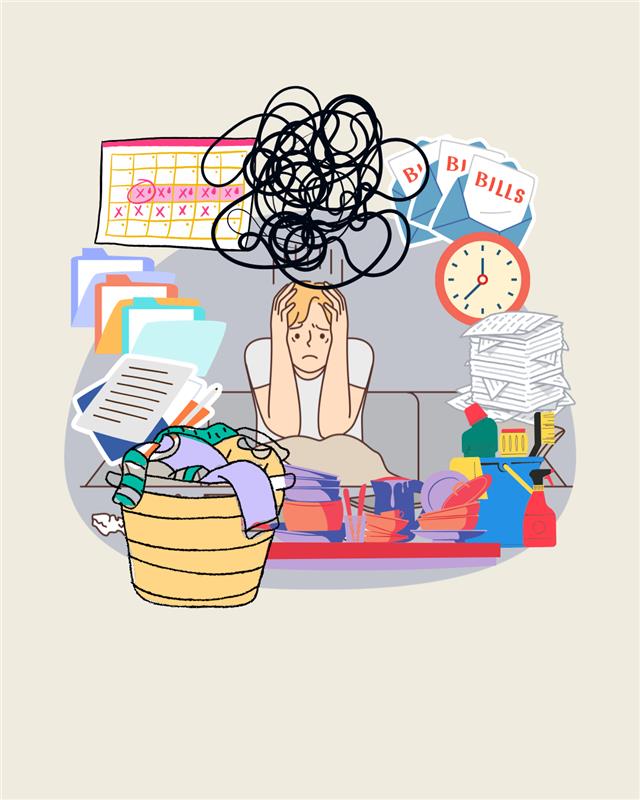
To change this, it starts with understanding yourself, how you live and work, and how you interact with your environment. We know from environmental psychology that physical spaces affect cognitive performance, emotional regulation, and creative problem solving. Rather than “I need to get this place in order”, you begin to see yourself as a person who is organized, and cares about their mental well-being. Most resolutions are like a demand we make of ourselves – do this, stop that – instead, decide what kind of person you want to become. The kind of person who has their act together. The kind of person who isn’t rushed in the morning. The kind of person who isn’t embarrassed to have someone visit their home. It starts with a plan, developing new habits and routines that fit how you think and live. Even making your bed each morning can have a positive impact and can set the tone for how you feel about your day.
Your environment needs to support and work with you, not make things harder. Getting organized is easy. Staying that way is a bit more challenging. If you’ve made a resolution to get more organized in your life, stop trying to white-knuckle it through a system or method that doesn’t fit. Organizing isn’t one-size-fits-all. It’s not you who’s failing – it’s the method, and clearly a different approach is needed. An approach that’s based in science and how our brains work.
Like all resolutions, getting more organized involves change, and change is hard, even when we invite it. Having a better understanding of what works for you in your home and in your life enables you to not only achieve what you set out to, but to keep it going well past March.
Discover your organizing style – take our quiz! We’ll send you personalized recommendations.
Sources:
New Year’s Resolutions Statistics – Forbes Health
Made any New Year’s resolutions? Here are some figures to motivate you – Statistics Canada
Why New Year’s Resolutions Fail: The Missing Fourth Element | Psychology Today Canada
How Physical Space Shapes Creative Thinking at Work | Psychology Today Canada